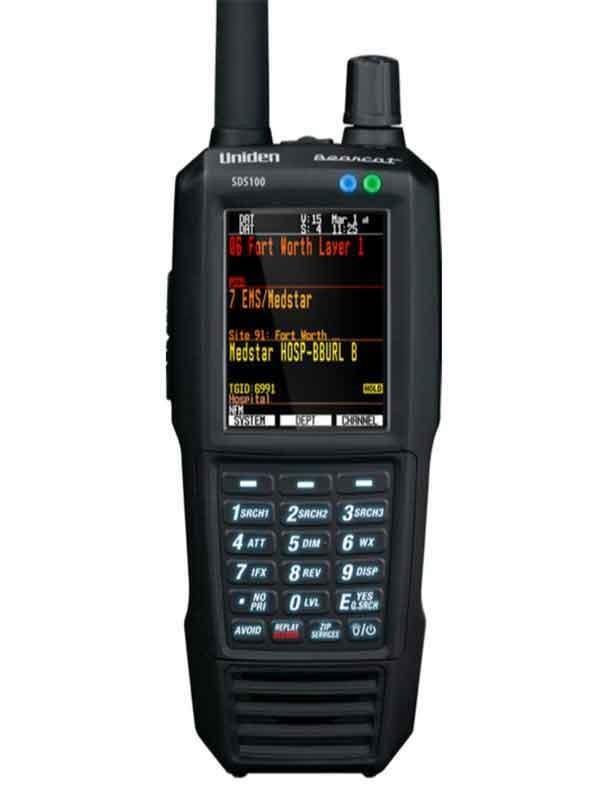
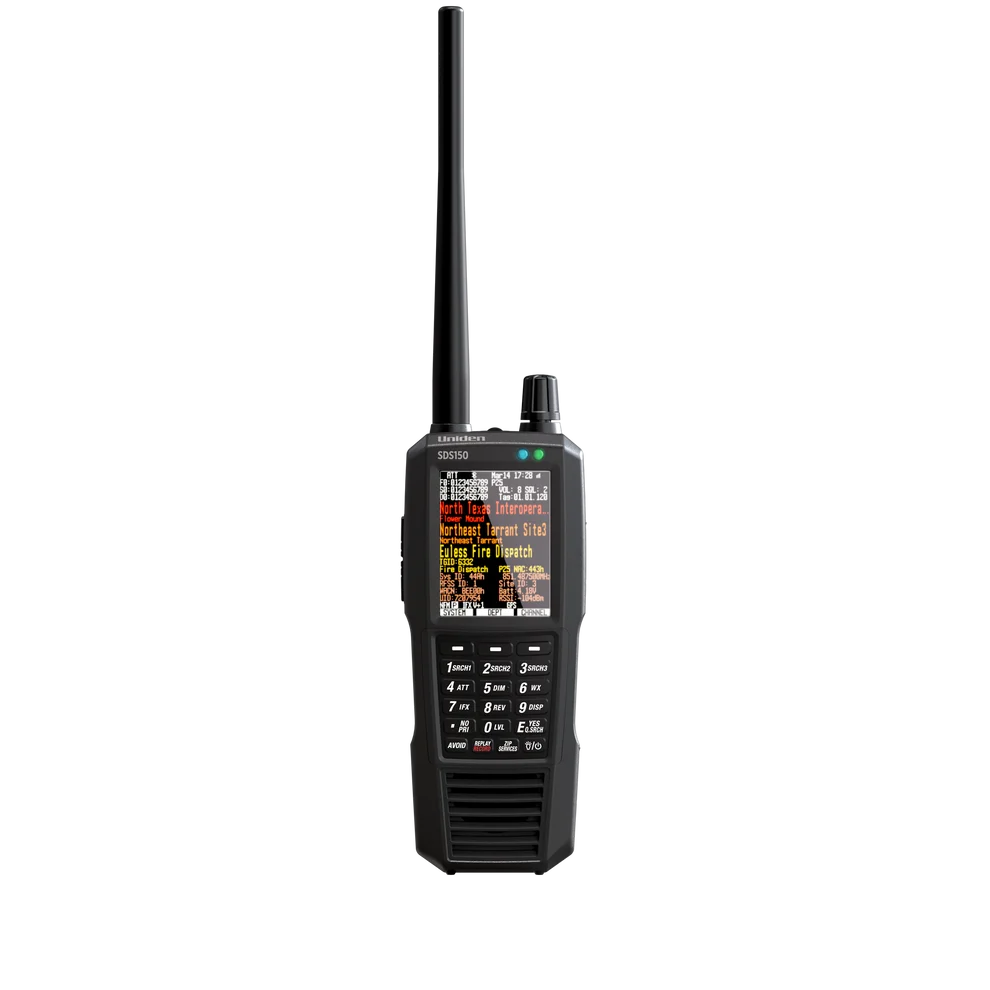
Read the current SDS150 documentation closely: integrated GPS and its charging arrangements can change the accessory calculation. Compare the full setup, not just the receiver names. An upgrade is only useful when the newer workflow solves a problem in your actual listening.
Published specifications and buying considerations
Consideration
Uniden SDS100
Uniden SDS150
Format
Handheld
Handheld
Signal
Analog + digital
Analog + digital
Trunking
Yes — supported systems
Yes — supported systems
P25
Phase I & II
Phase I & II
GPS
External receiver required
Built in
Power
Dedicated rechargeable battery
Li-ion; USB-C / supplied cradle
Programming
Sentinel / HomePatrol database
Sentinel; database and Favorites Lists
When Uniden SDS100 makes sense
The SDS100 is a sensible starting point when your shopping problem is portable digital monitoring, especially if local simulcast is part of the decision. Its significance is the receiver design and supported systems, rather than a huge channel-count claim. We would shortlist it for someone who has already checked the systems they want to hear and expects to use the radio away from a desk. It is excessive for many analog-only tasks. Reception depends on your local system, antenna position and installation, so check those alongside the SDS100’s system support.
Start here if…
Listeners who need a portable P25 scanner and want to evaluate the SDS receiver design for local simulcast
Reconsider if…
You only need a few conventional analog channels, or your target communications are encrypted
The SDS150 is the integrated-travel choice in this catalogue. Built-in GPS, USB-C charging and the supplied cradle address the practical equipment that otherwise surrounds a handheld scanner. Those are meaningful differences for a listener who frequently changes location; they are less valuable if the radio will stay in the same room. We would compare the whole setup with an SDS100 plus the accessories you actually need, rather than choosing by model age alone. Its capability claims come from Uniden’s specifications and manual, while our recommendation concerns how those features fit a buyer’s routine.
Start here if…
Travelling listeners who value an integrated location-aware handheld
Reconsider if…
You will leave the radio on a shelf and do not need its integrated travel features
Put the required accessories, enabled protocol options and programming tools alongside the receiver. Check the current manufacturer documentation and seller’s included-items list. We do not show live prices or assume an optional upgrade is included in a listing.
For a fixed installation, think through antenna position, cable and power. For portable listening, check battery arrangements, carrying size and charging. A small difference on the specification sheet can create a different daily routine.
Match your choice to local systems
Check the radio system you want to hear, its encryption status and the receiver’s supported operation. Antenna position, local terrain and installation also influence reception, so plan the complete setup alongside your scanner choice.