
An antenna needs both the right physical connection and a useful match to your listening task.
Define the problem before adding hardware
Write down what is unsatisfactory about the current setup. Is the radio awkward to carry, is reception inconsistent in one room, or are you building a permanent desk installation? Those are different problems and may lead to different choices. Buying the longest available antenna is not a diagnosis.
If you already own a scanner, establish a simple baseline with its existing antenna and a known compatible target. Note the position and settings. That gives you something meaningful to compare when you move the radio or change one component.
Check frequency coverage and connection separately
An antenna that attaches successfully is not automatically useful for every frequency the scanner can tune. Equally, a suitable listening band does not establish that the connector fits. Keep those checks separate, especially when a retailer’s compatibility list groups many scanners together.
Record the exact connector on the radio, the antenna connector and any adapter required. Read the scanner manual and the accessory specification rather than buying by brand alone. Pay attention to connector orientation and clearance around recessed sockets; a promising product name is not enough to settle the fit.
Choose a physical arrangement you will actually use
A compact flexible antenna can be practical when carrying a radio. A telescopic design offers a different physical compromise: its length can be adjusted, but the extended form may be awkward in a bag or on a belt. A fixed installation creates another set of considerations around support, cable routing and placement.
Uniden’s BATG0540001 is an example of a BNC telescopic accessory, not a universal recommendation. The useful buying question is whether its documented fit and physical form address your problem. We do not infer a measured improvement for your system from an accessory’s marketing description.
Consider the whole installation
For an external antenna, the feed line, connectors and mounting arrangement are part of the setup. Uniden’s base/mobile installation guidance notes that cable loss increases with frequency. That makes a long cable route a design decision rather than a detail to ignore until checkout.
Do not turn a buying guide into an improvised rooftop installation plan. Follow the equipment instructions and use an appropriate installer for outdoor mounting, grounding and routing. Price the complete arrangement before deciding that a cheap antenna alone represents the upgrade cost.
Evaluate a change with a repeatable comparison
Keep the same radio, target, settings and listening position where practical. Compare understandable audio and missed conversations rather than treating signal bars alone as the result. Make a note of the conditions and avoid claiming that one short session proves universal superiority.
If the new setup is not useful, revisit the original problem. A protocol mismatch or encrypted target cannot be fixed with an antenna. A better purchase decision often comes from identifying that boundary before buying another adapter or aerial. Our accessory reviews therefore emphasise fit and intended use, with reception gains left unclaimed unless supported by evidence.
Put it into practice
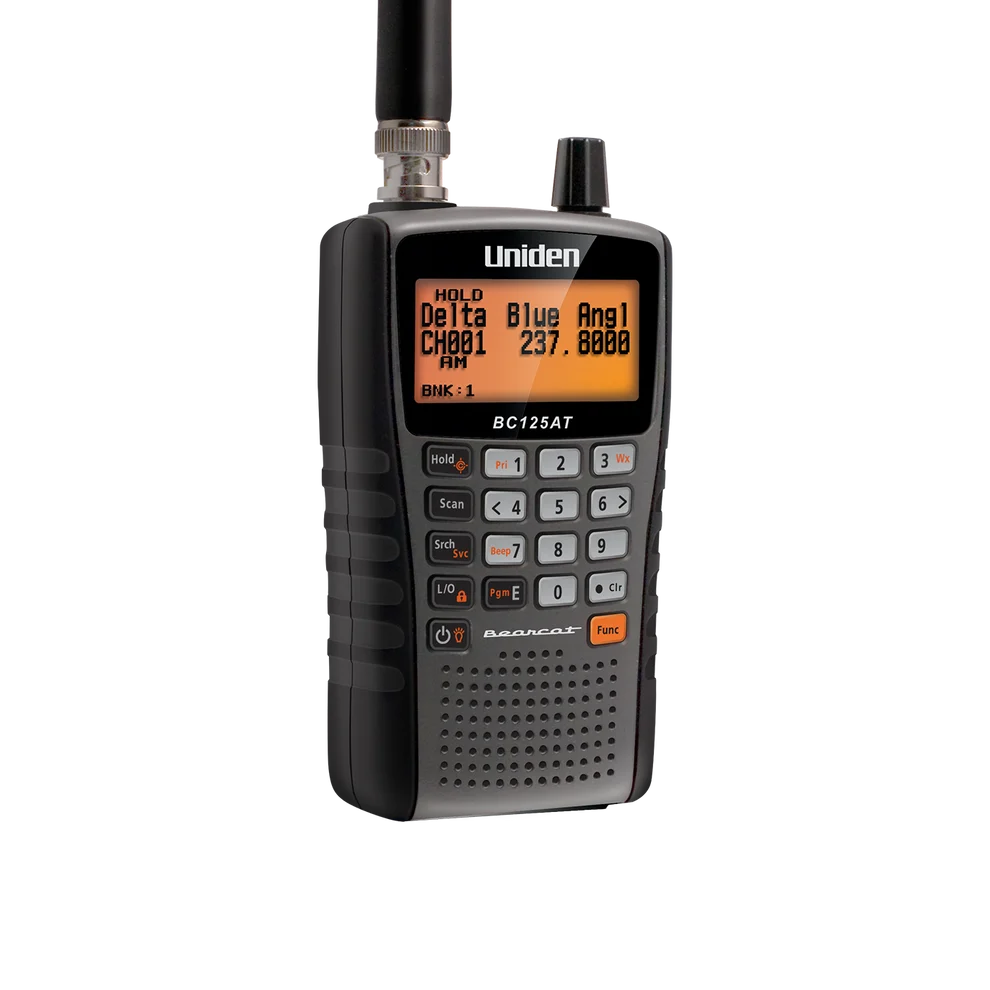
Conventional analog listening where readable channel names matter
Cannot receive digital voice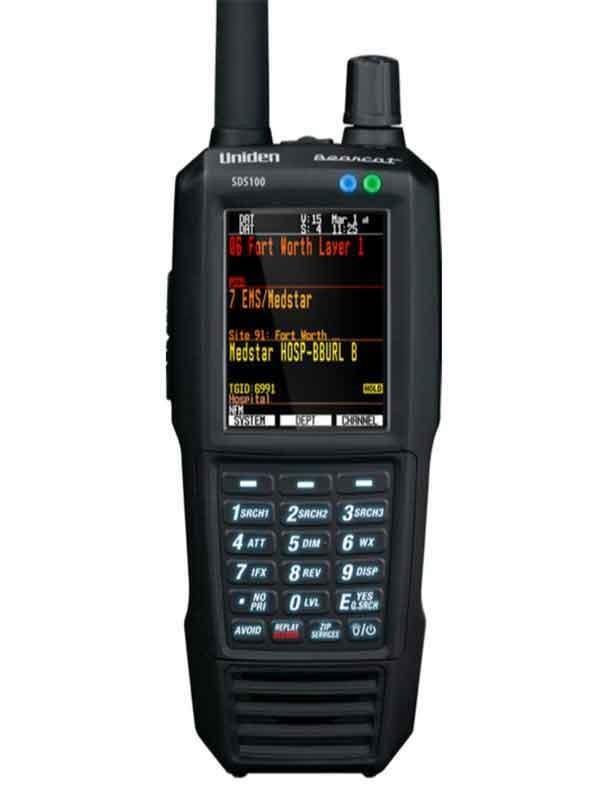

Listeners who need a portable P25 scanner and want to evaluate the SDS receiver design for local simulcast
External GPS adds hardware and cabling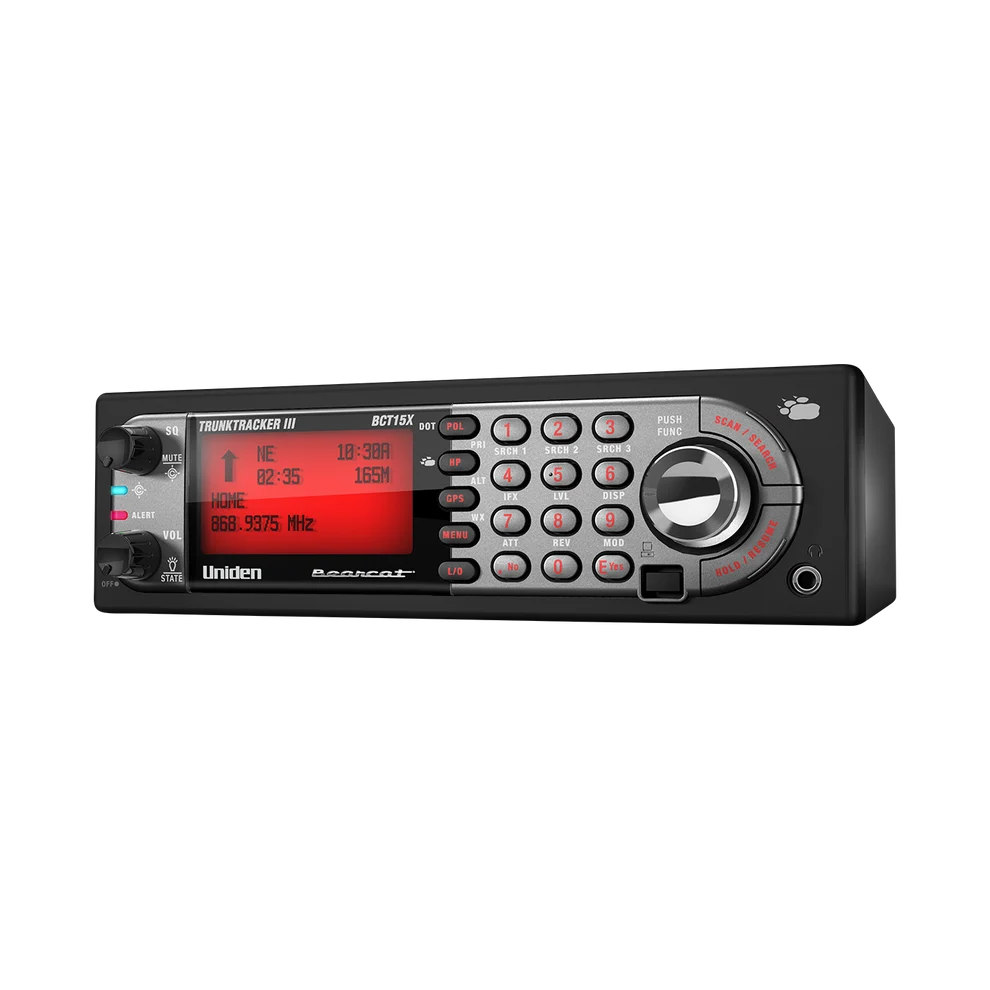
An analog listening station with supported conventional or trunked systems
No digital voice decodingSources & further reading
- Uniden BATG0540001 telescopic antenna ↗Checked 2026-11-06
- Uniden BCT15X / BCD996XT hardware installation ↗Checked 2026-11-06
- Uniden BC125AT owner’s manual ↗Checked 2026-11-06