
THE SHORT VERSION
Our verdict
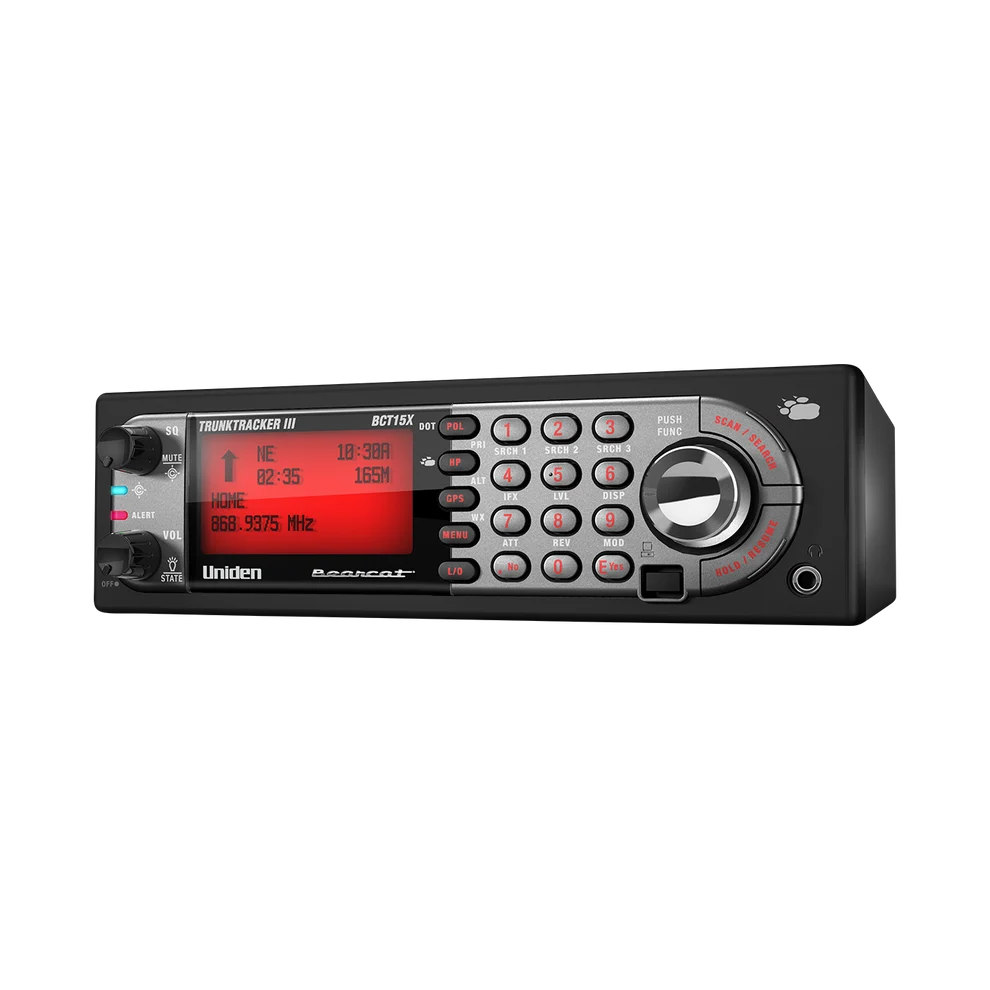
The BCT15X is a reminder that analog does not necessarily mean a basic conventional scanner. It can follow selected analog trunked systems and offers the organisation expected of a more involved listening station. Its clear limitation is digital voice: it is not the answer to a local service that has moved to P25, DMR or NXDN. We would shortlist it for a confirmed analog requirement, especially when the owner wants to maintain a carefully structured list. Avoid buying it merely because it resembles an installed digital scanner or carries the TrunkTracker name.
A good fit for
An analog listening station with supported conventional or trunked systems
Consider something else if
You need P25, DMR or NXDN digital voice decoding
Reasons to consider it
- Supports selected analog trunked systems
- Dynamic memory and quick-access organisation
- GPS-assisted selection of programmed locations
Trade-offs to know
- No digital voice decoding
- Analog trunking support is not a route to modern P25 systems
AT A GLANCE
The important details
- Format
- Base / mobile
- Signal
- Analog
- Trunking
- Analog Motorola / EDACS / LTR support
- P25
- No
- GPS
- Optional external receiver
- Power
- External AC / DC
- Programming
- Dynamic memory / compatible PC software
Specifications are drawn from the linked documentation. Confirm the exact model, current firmware and included accessories with the manufacturer before purchase.
A useful distinction within analog scanning
Trunking describes how a system allocates channels, while analog or digital describes another part of the signal. The BCT15X’s supported analog trunking gives it a different role from a simple fixed-frequency receiver. This is why a category label alone is not enough to make a purchase. Check the exact system type and voice format, then choose the receiver that supports that combination.
The case for a focused station
Uniden lists dynamic memory, selected Motorola/EDACS/LTR support, Close Call and GPS compatibility. Our buying inference is that these features suit a listener who wants to build and maintain a structured analog station. Such a setup benefits from clear group names and a short list of priorities. Filling every memory slot can make a radio harder to use if the organisation is not understandable to the person listening.
Account for programming and location
Expect to supply or obtain the correct programming rather than assume the radio already knows every nearby service. Optional GPS equipment can then select systems that have been properly programmed with location information. For an installation, plan the antenna and power path before ordering accessories. A tidy fixed setup is the reason to select this format; it should not depend on balancing a radio among loose cables.
When a different model is justified
The BCD996P2 is relevant when P25 and supported digital trunking enter the requirement. The BCD260DN is relevant for conventional digital channels, but it does not simply add digital trunking to this same feature set. A BC365CRS may be enough for a simpler analog bedside or desk role. The BCT15X is strongest when its particular combination of analog-system support and organisational features solves a known problem.
A practical check before ordering
Before buying a used unit, compare the asking price and included accessories with the work still required to build your own list. A previous owner’s programming is not proof of suitability in your area. Ask what system types were used, then verify your own requirements independently. Retain only settings you understand rather than inheriting a large unexplained configuration.
Accessories with documented model fit
These links use the exact-model source records. Read the individual fit and electrical requirements before ordering; a listed connector or model does not establish every use case.
- Uniden BNC telescopic antenna — An adjustable antenna for a desk setup
- Uniden base/mobile AC adapter — Power a compatible scanner at a fixed desk
- Uniden vehicle DC power cord — Use a compatible scanner from a vehicle outlet
- Uniden three-wire power harness — For a planned fixed vehicle installation
What else belongs on your shortlist?
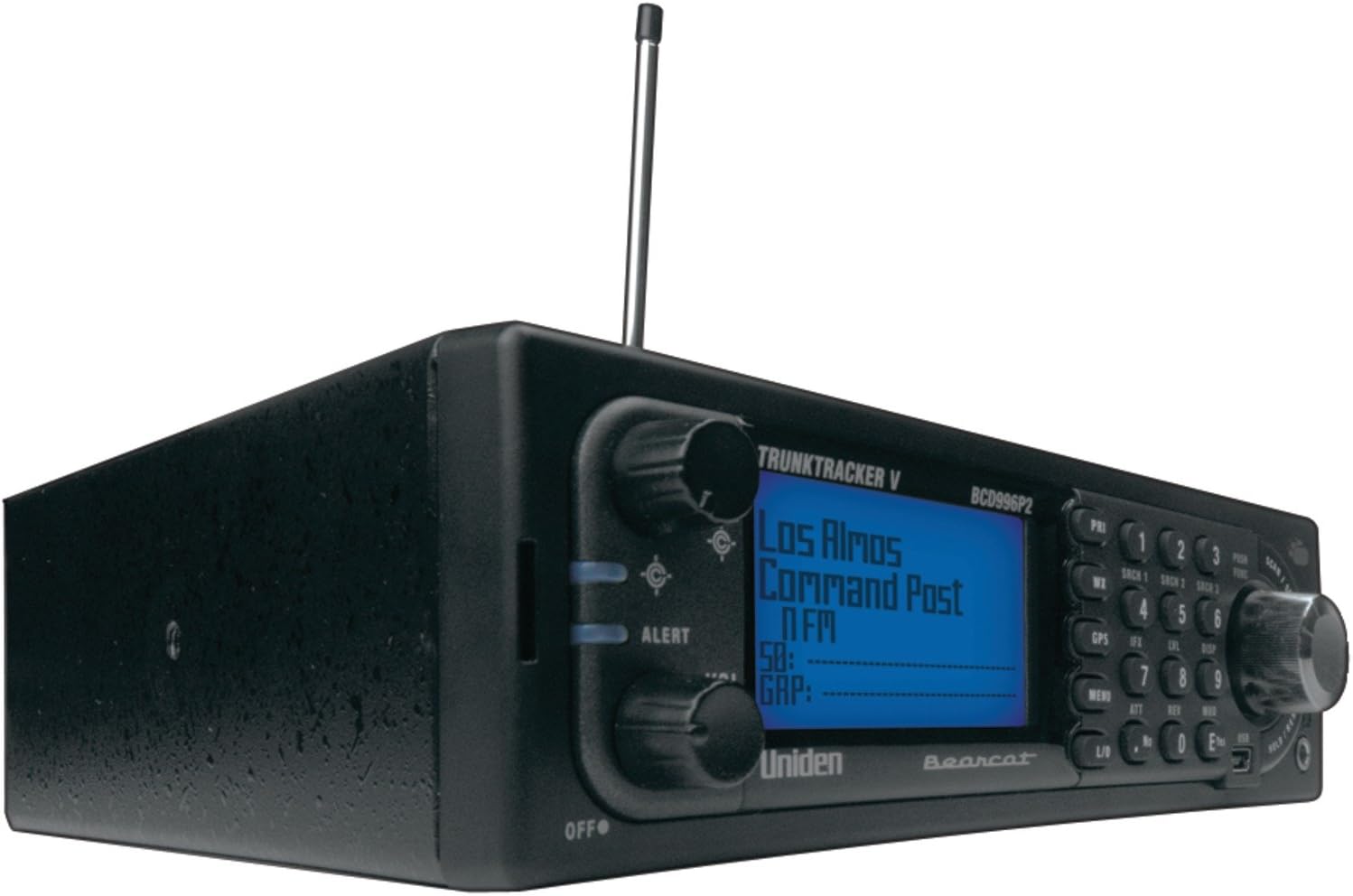
An owner who wants a deliberately programmed installed receiver
Nationwide-database setup is not its central workflow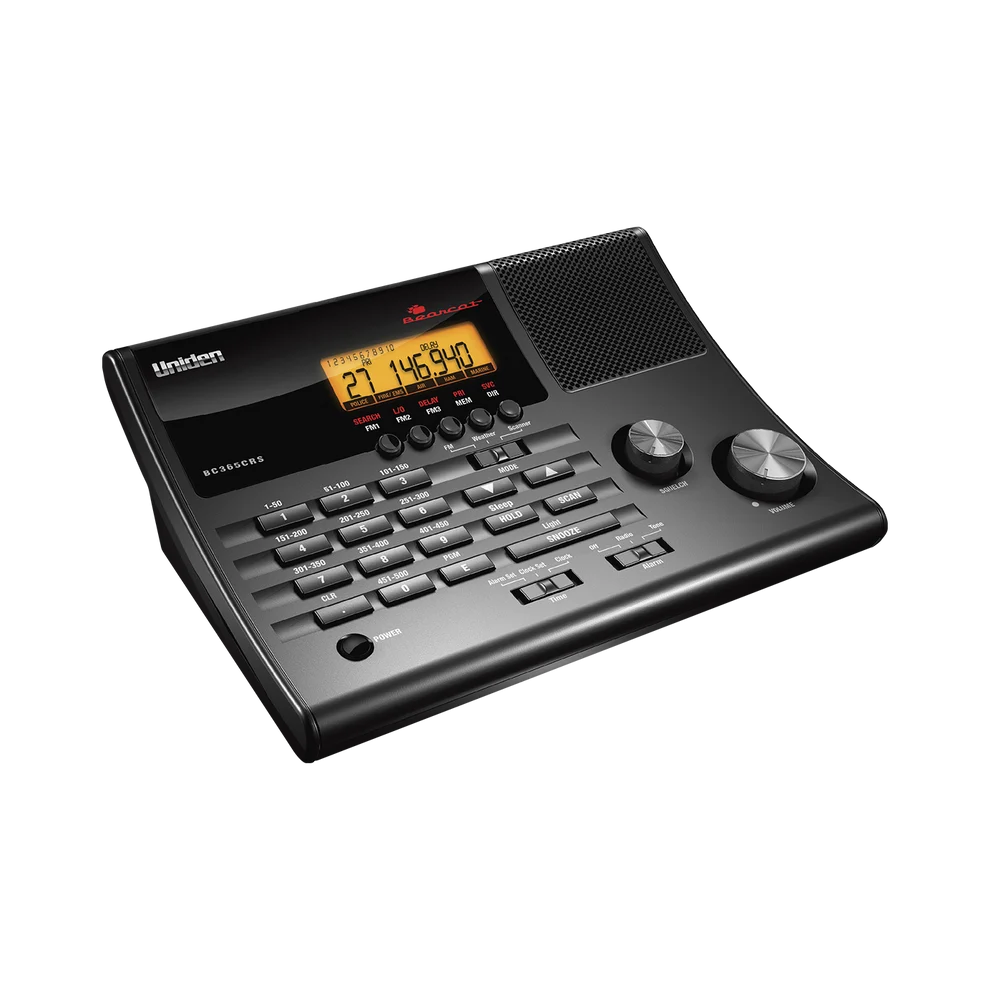
A fixed home listening spot where an integrated clock/FM radio is useful
No digital or trunk-tracking capabilityCHECK THE EVIDENCE
Sources & specifications
- Uniden BCT15X: manufacturer specifications ↗Checked 2026-11-06
How we choose and compare scanners. Match the model’s capabilities to your local radio systems before buying.