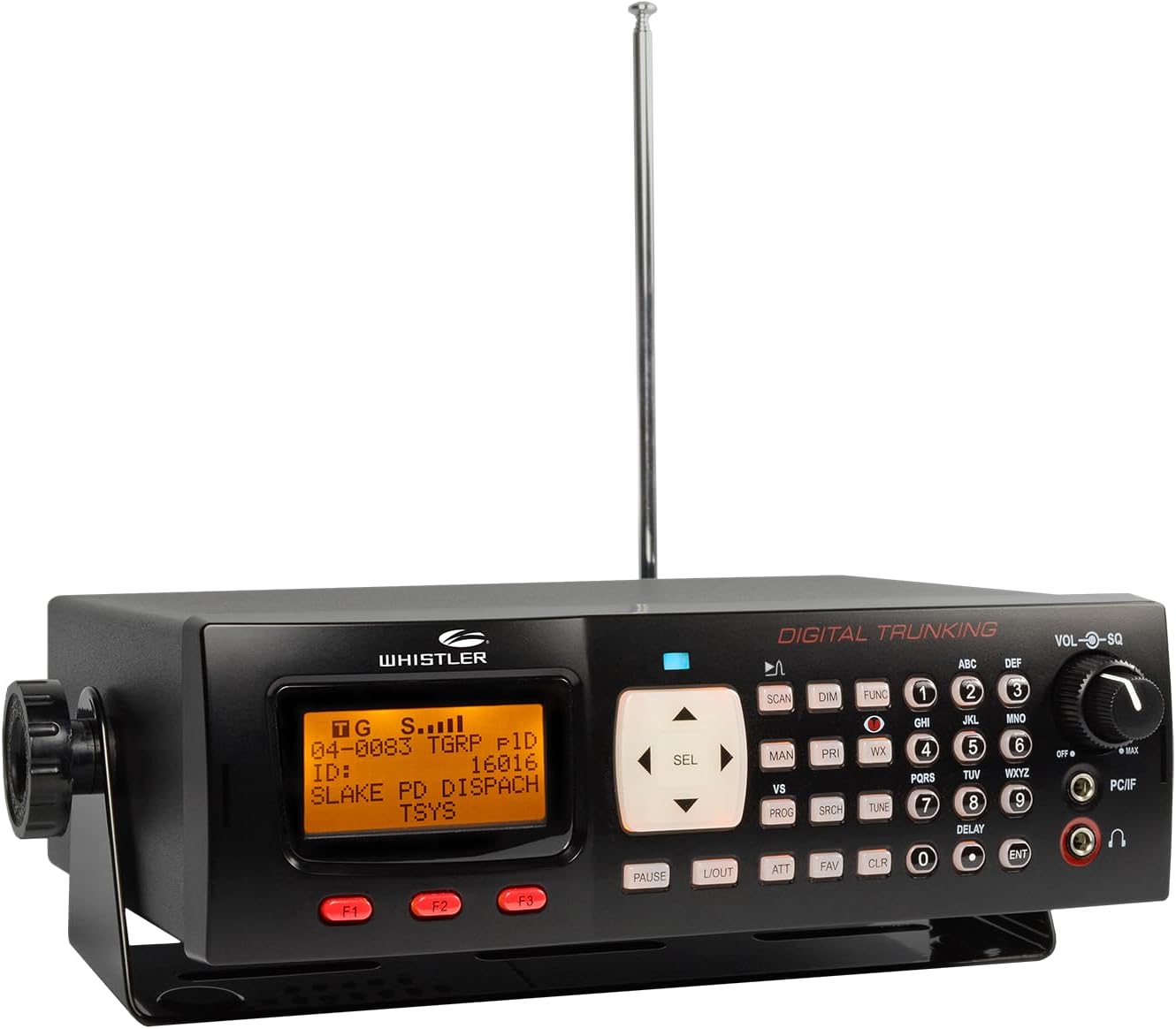
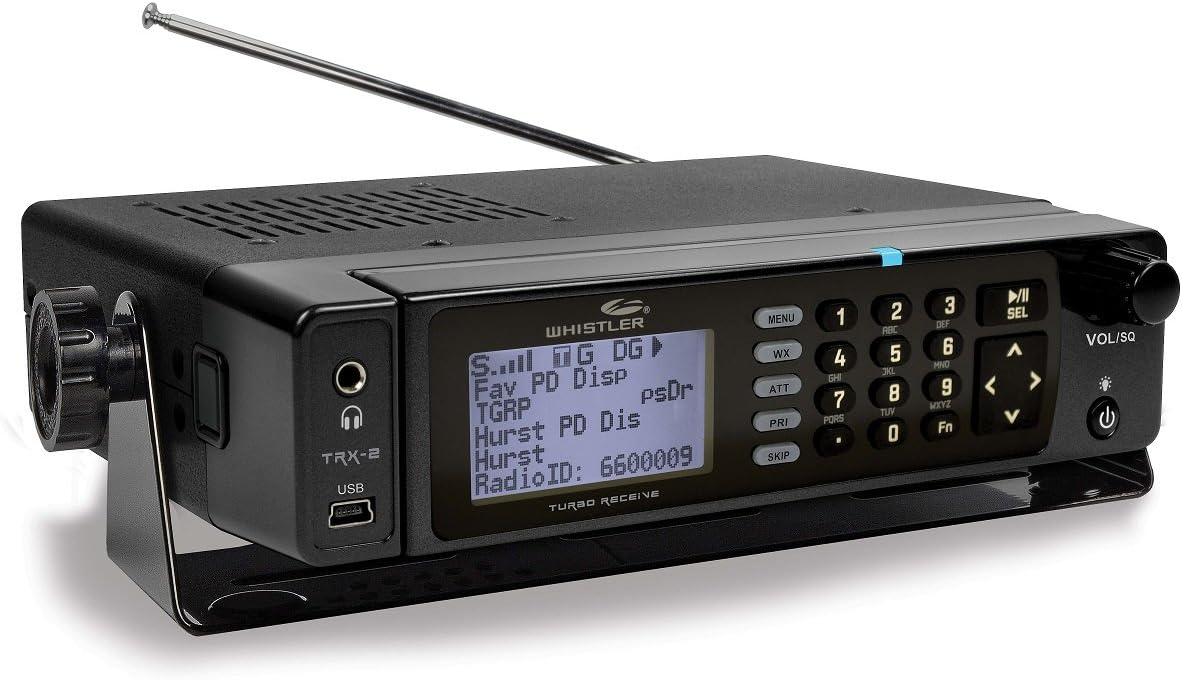
List your required digital formats and trunked-system types, then compare the manufacturer documentation line by line. The programming workflow, data storage and support route also belong in this decision. Do not assume that every digital system will work on either receiver.
Published specifications and buying considerations
Object-oriented lists; PC/IF cable and compatible software
EZ Scan / SD-card database
When Whistler WS1065 makes sense
The WS1065 is a fixed-installation candidate for someone with confirmed P25 Phase I or supported analog trunking requirements. It should be judged against that defined task, rather than against an expectation that every digital scanner supports the latest local network. The relationship to the WS1040 is useful: choose the handheld for carrying, the WS1065 for a planned installation. We would compare the complete antenna, power and programming setup before choosing either. Its value depends on compatibility and the owner’s comfort with its organisational approach, not on a broad promise to monitor all nearby emergency communications.
Start here if…
A base or vehicle installation monitoring confirmed supported Phase I systems
Reconsider if…
P25 Phase II or database-led automatic setup is essential
The TRX-2’s most distinctive buying argument is its detachable control head. That can matter when the convenient place for the display is not the convenient place for the receiver and its cables. Add its documented P25 Phase I/II, DMR and NXDN support, and it becomes a substantial installed-format candidate. We would still confirm the exact target systems and their expected monitoring behaviour before buying. Its broad format list does not make it a universal receiver, and our review does not claim that the hardware has been measured against competing models in the same signal environment.
Start here if…
An installed setup where separating the display from the receiver is useful
Reconsider if…
You need a battery-powered handheld or assume universal digital compatibility
Put the required accessories, enabled protocol options and programming tools alongside the receiver. Check the current manufacturer documentation and seller’s included-items list. We do not show live prices or assume an optional upgrade is included in a listing.
For a fixed installation, think through antenna position, cable and power. For portable listening, check battery arrangements, carrying size and charging. A small difference on the specification sheet can create a different daily routine.
Match your choice to local systems
Check the radio system you want to hear, its encryption status and the receiver’s supported operation. Antenna position, local terrain and installation also influence reception, so plan the complete setup alongside your scanner choice.