
Voice format, channel organisation and transmitter layout are separate compatibility checks.
Analog and digital describe the voice format
Think of the voice format as the language a receiver must understand. An analog scanner does not gain digital decoding because its display is modern or its memory is large. Likewise, a scanner that supports one digital format should not be assumed to understand every other digital format.
For buying purposes, write down the actual mode used by your target system. “Digital” is a category, not a complete specification. The BC125AT’s explicit analog-only limitation is useful information because it lets an unsuitable buyer rule it out immediately.
Conventional and trunked describe how channels are organised
With a conventional setup, you monitor programmed channels. In a trunked system, groups share system resources and a compatible scanner needs the appropriate following behaviour to track the intended traffic. A list of frequencies alone is therefore not the same as a correctly configured trunked system.
The buying implication is straightforward: check trunking separately from voice decoding. An analog trunking model and a digital conventional model can each be a poor fit for a particular digital trunked network. Neither label is a universal step above the other.
Simulcast is a further receiving challenge
A simulcast layout can involve multiple transmitters sending the same system information on the same frequencies. A receiver may have the right digital protocol on its specification sheet and still be a less suitable choice for a difficult receiving situation. This is why scanner discussions sometimes distinguish basic P25 support from simulcast suitability.
Uniden markets the SDS100’s I/Q design specifically around challenging digital reception. For a simulcast system, that makes the design worth considering alongside your local coverage, antenna position and installation. Reception still varies by location.
Read labels as a checklist, not a ladder
A useful comparison has separate columns for supported voice modes, trunking formats, form factor and the evidence behind simulcast claims. Keep firmware and paid upgrades in their own notes. A tick beside “digital” hides too much to decide between models confidently.
Consider two hypothetical buyers. One needs a few conventional analog channels; the other needs a specific unencrypted digital trunked system. The first may gain nothing useful from paying for the second buyer’s requirements. The second cannot solve a compatibility mismatch by buying a larger-memory analog scanner.
Do not confuse any of these with encryption
Encryption is a separate restriction. It is not another consumer upgrade mode alongside P25, DMR or NXDN. The models in this guide are intended for compatible accessible transmissions, not for bypassing encryption.
Use the terminology to ask a precise question: which voice format, which trunking implementation and which receiving environment? Once those are known, shortlist the models that satisfy them and compare practical matters such as programming, power and controls. That sequence is more useful than choosing whichever product advertises the longest feature list.
Put it into practice
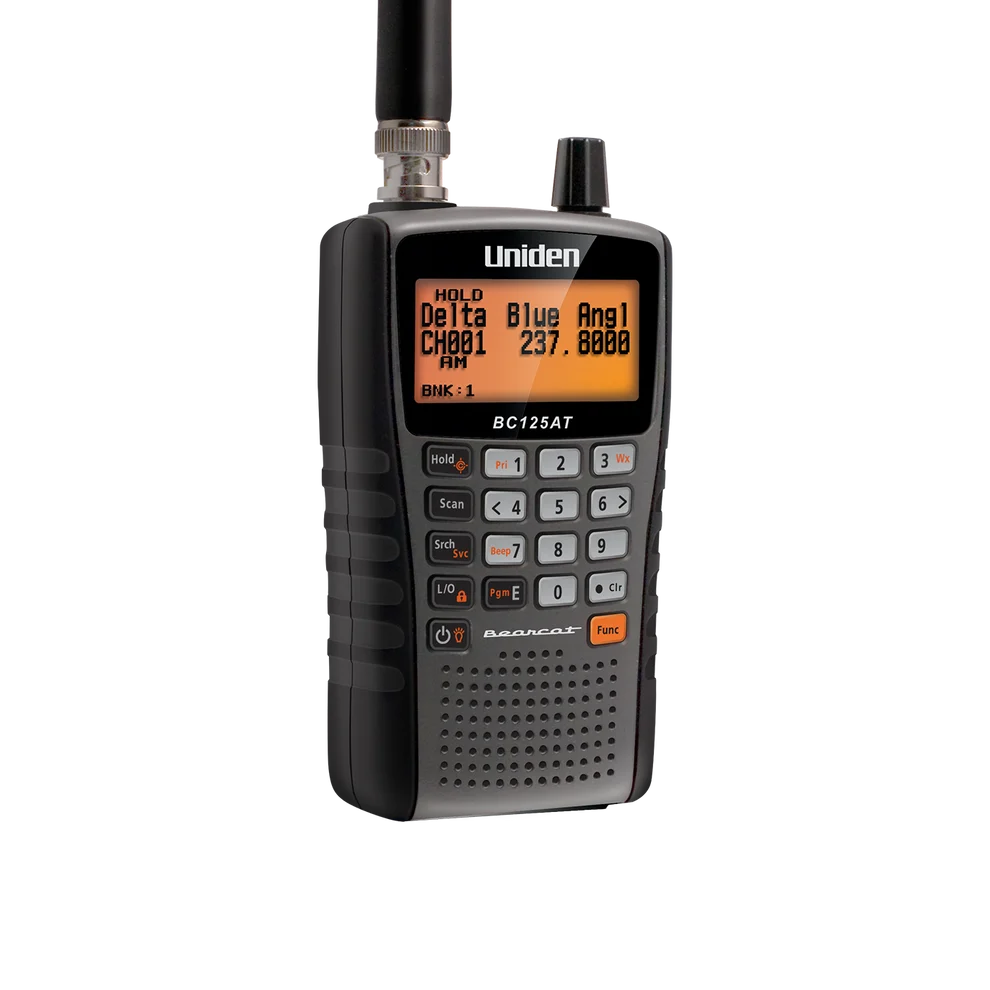
Conventional analog listening where readable channel names matter
Cannot receive digital voice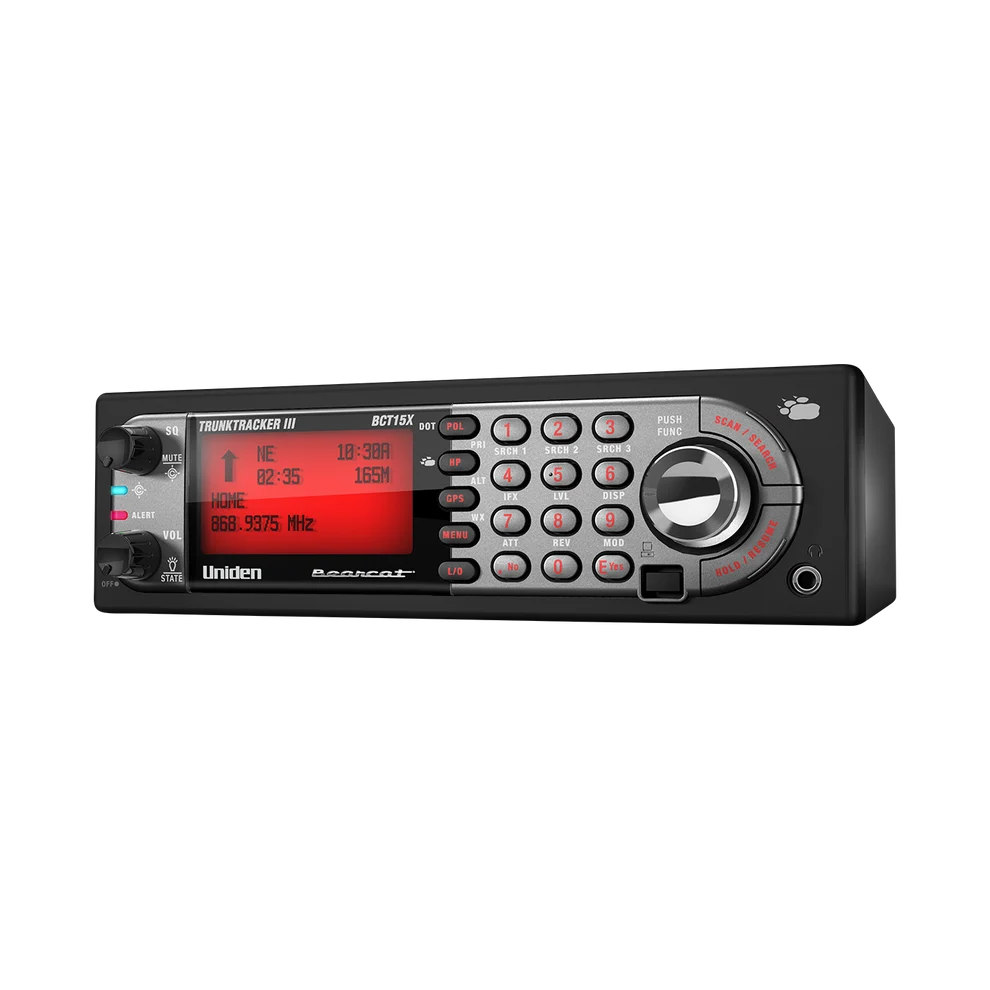
An analog listening station with supported conventional or trunked systems
No digital voice decoding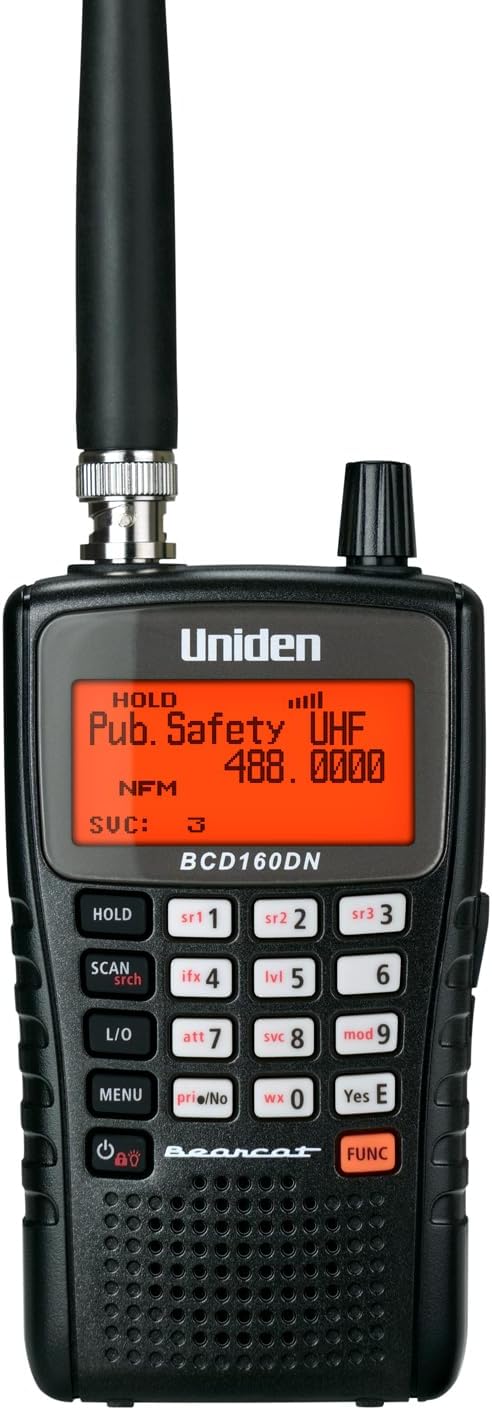
Listeners whose required digital channels can be monitored conventionally
No trunk tracking, including after the P25 updateSources & further reading
- Uniden BC125AT specifications ↗Checked 2026-11-06
- Uniden BCT15X specifications ↗Checked 2026-11-06
- Uniden BCD160DN owner’s manual ↗Checked 2026-11-06
- Uniden SDS100 specifications ↗Checked 2026-11-06
- Uniden SDS200 owner’s manual ↗Checked 2026-11-06