
THE SHORT VERSION
Our verdict
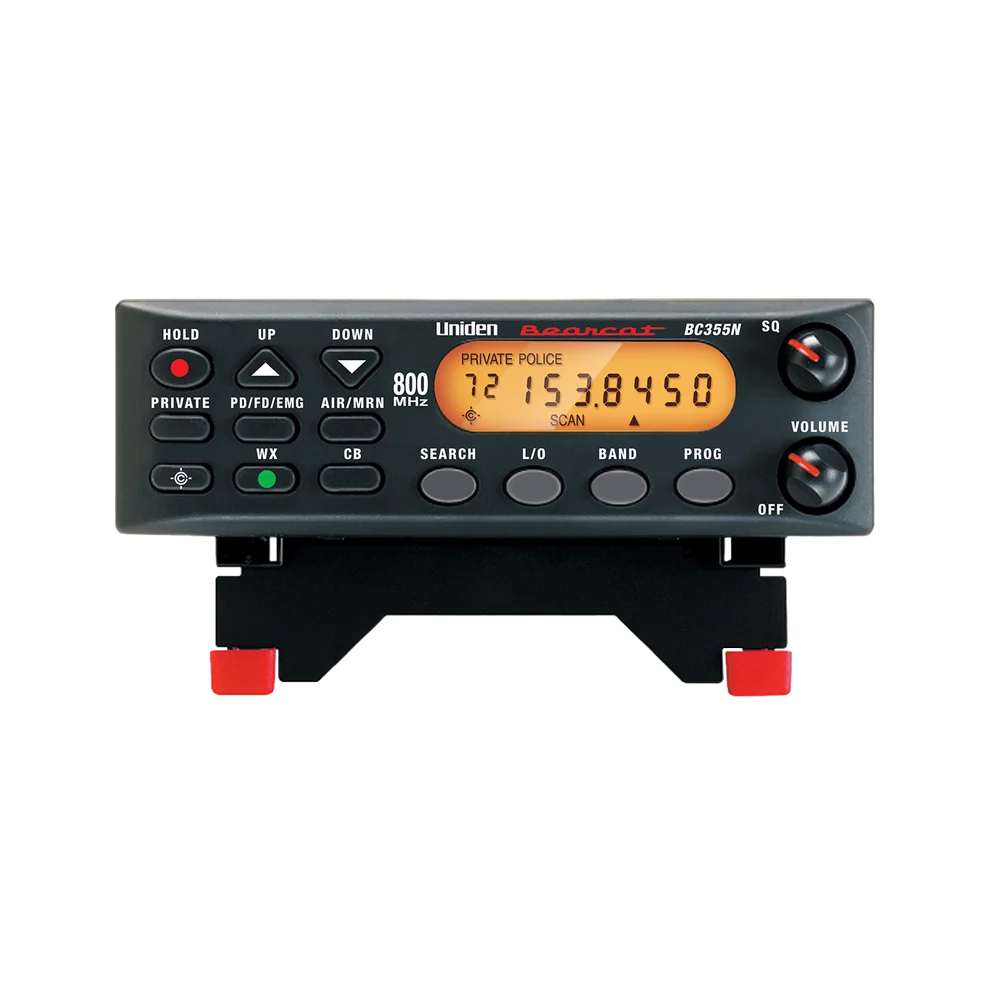
The BC355N makes sense as a compact installed analog receiver with a deliberately limited job. It can be more appropriate than a feature-heavy digital scanner if the desired listening list consists of compatible conventional frequencies and the radio will remain in one place. Its small footprint is the reason to consider it, rather than a promise to hear every local agency. We would be cautious about choosing it before inspecting the controls: a simple-looking front panel is useful only if its programming approach suits the way you want to organise and select channels.
A good fit for
A small desk or vehicle setup for known conventional analog channels
Consider something else if
You need digital voice, trunk tracking or extensive named-channel organisation
Reasons to consider it
- Compact installed format
- Service searches and Close Call
- A limited conventional-channel list can be straightforward
Trade-offs to know
- No digital voice or trunk tracking
- Check the interface against your preferred channel-organisation method
AT A GLANCE
The important details
- Format
- Compact base / mobile
- Signal
- Conventional analog
- Trunking
- No
- P25
- No
- GPS
- Not specified as supported
- Power
- External power
- Programming
- On-device channels and service search
Specifications are drawn from the linked documentation. Confirm the exact model, current firmware and included accessories with the manufacturer before purchase.
Define a small, useful listening job
A fixed receiver can be dedicated to one type of activity while another device handles the rest. That is the strongest buying case here. Write down the few channels you actually want, confirm they are analog and conventional, and check that they are in the supported ranges. This turns the purchase into a defined equipment decision rather than an experiment in whether the local police can be heard.
What the specifications contribute
Uniden specifies 300 user-stored frequencies alongside service searches, Close Call and a compact base/mobile layout. Those are ways to find and revisit compatible signals, not substitutes for digital decoding or trunk tracking. Our advice is to evaluate the service-search behaviour with your intended workflow in mind. A broad search may be interesting for exploration, while a saved channel list is more useful for routine listening.
Think through the installation
A small radio still needs room for power and antenna connections. Choose its position so the display and controls are convenient, then evaluate the antenna location separately. In a vehicle, a secure mount and safe operation matter as much as whether the chassis fits. Check current local rules before mobile use. Do not assume that a compact receiver can simply be placed loose in a compartment and perform like a planned installation.
The alternatives depend on the reason for upgrading
Choose a BC365CRS comparison if the radio will stay on a bedside table and its clock/FM functions are useful. Consider a BCT15X if selected analog trunked systems and more deliberate memory organisation are required. If your target uses digital voice, move to a suitable digital receiver rather than attempting to improve this one with an antenna or programming service. Accessories cannot change the fundamental class of system it supports.
A practical check before ordering
If this is intended as an always-available room receiver, consider who will change its settings and how often. A list that one enthusiast understands may be confusing to another household member. Build the purchase decision around the actual controls those people will use. A compact installation and a short reliable channel list can be more useful than theoretical maximum capacity.
What else belongs on your shortlist?
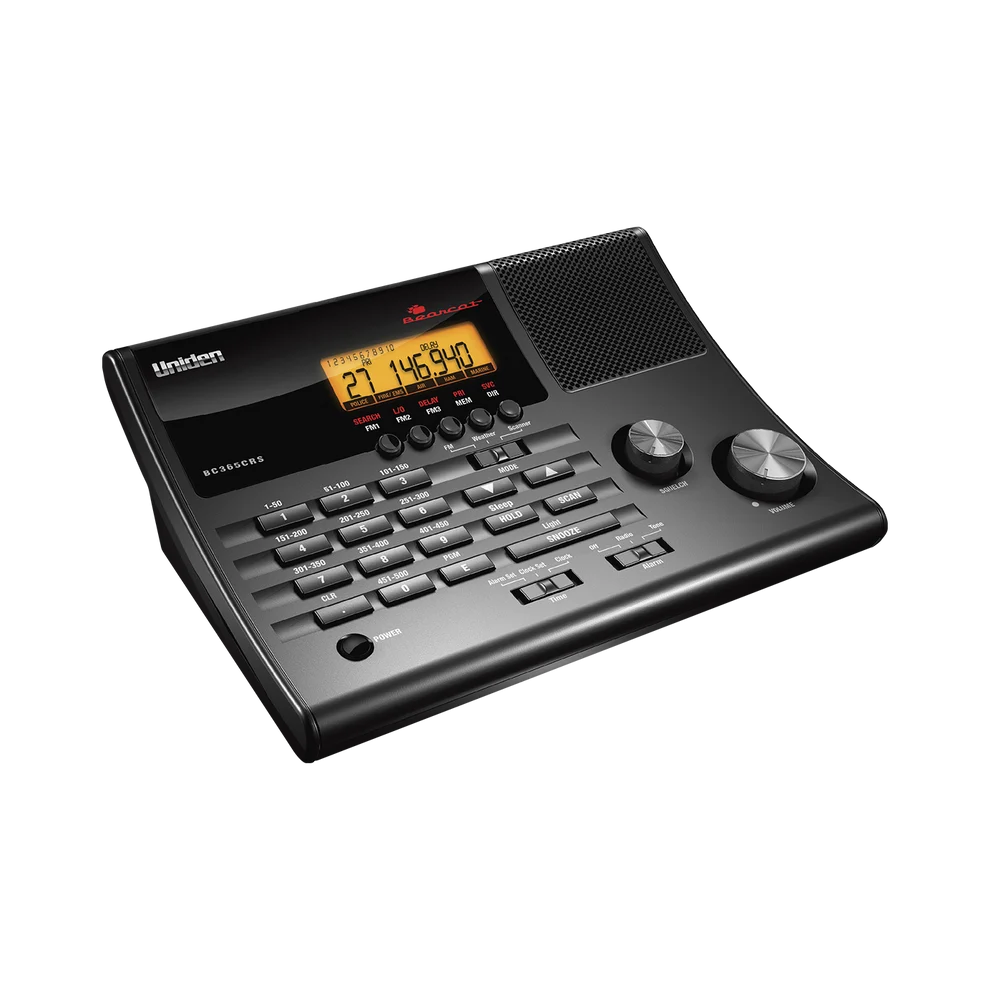
A fixed home listening spot where an integrated clock/FM radio is useful
No digital or trunk-tracking capability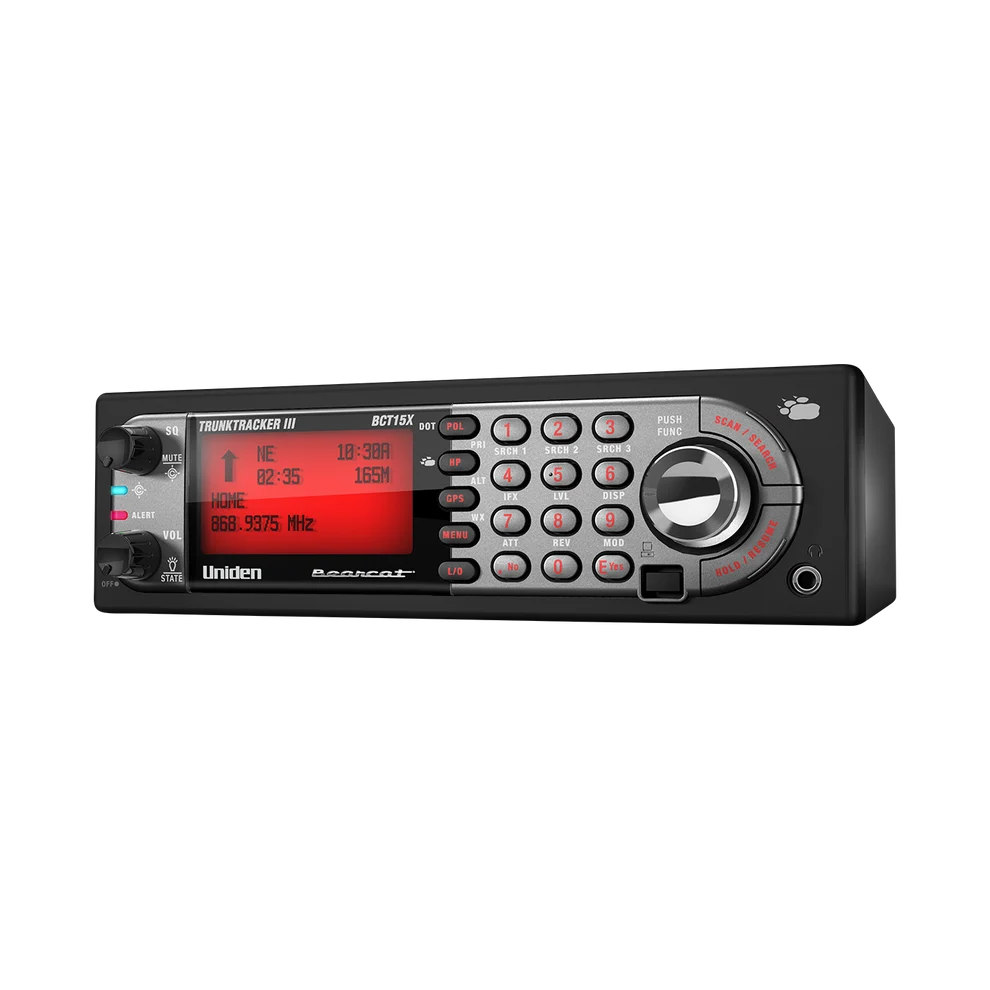
An analog listening station with supported conventional or trunked systems
No digital voice decodingCHECK THE EVIDENCE
Sources & specifications
- Uniden BC355N: manufacturer specifications ↗Checked 2026-11-06
How we choose and compare scanners. Match the model’s capabilities to your local radio systems before buying.