
THE SHORT VERSION
Our verdict
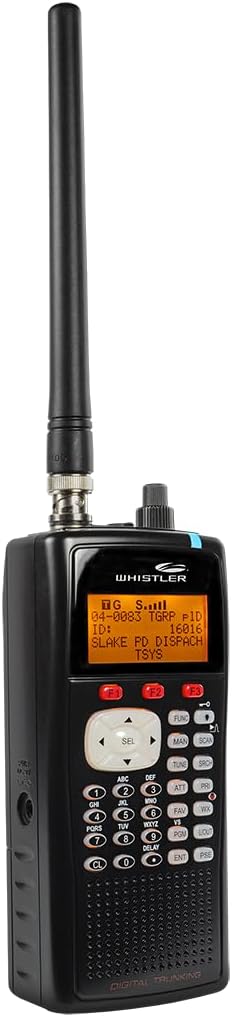
The WS1040 is a specific Phase I-era buying choice, not a generic substitute for any digital scanner. It can be useful when your intended systems are confirmed compatible and you are comfortable organising objects and scan lists. The key exclusion is P25 Phase II, which a buyer should check before considering the equipment’s other features. We would shortlist it for a known local requirement or an existing owner’s familiar workflow. A low purchase price does not compensate for an unsupported voice format, and the word digital on a retailer page is not detailed enough to settle that question.
A good fit for
Listeners with confirmed P25 Phase I or supported analog trunked systems
Consider something else if
Your required talkgroups use P25 Phase II or another unsupported format
Reasons to consider it
- Object-oriented organisation for channels and talkgroups
- P25 Phase I and selected analog trunking
- Saved configurations for different listening situations
Trade-offs to know
- Does not provide P25 Phase II decoding
- Not the TRX database-programming platform
AT A GLANCE
The important details
- Format
- Handheld
- Signal
- Analog + P25 Phase I
- Trunking
- Supported P25 Phase I / Motorola / EDACS / LTR
- P25
- Phase I only
- GPS
- No built-in GPS workflow specified
- Power
- Four AA cells / external adapter
- Programming
- Object-oriented lists; PC/IF cable and compatible software
Specifications are drawn from the linked documentation. Confirm the exact model, current firmware and included accessories with the manufacturer before purchase.
Why the phase distinction matters
Whistler’s current specifications identify P25 P1 support alongside selected Motorola, EDACS and LTR networks. That boundary is more important than memory capacity for someone following public-safety traffic. Verify the voice mode used by the talkgroups you care about, not just the broad name of the county system. A system can be described in a way that hides important differences between the services carried on it.
An organised listening list is part of the product
The object-oriented workflow treats stored listening items as entries that can be grouped into scan lists. Our advice is to create groups based on actual use rather than filling every available slot. For example, a daily local list and a separate travel list are easier to understand than one large collection. Saved configurations are useful only if you know which version is active and keep a recoverable backup.
Power and computer preparation
The owner manual specifies four AA cells and separate holders for rechargeable and non-rechargeable batteries. Keep the correct holder and charging arrangement with the correct chemistry. PC programming uses the appropriate interface cable and compatible software; do not assume the TRX EZ Scan workflow applies. Before relying on a used package, verify that the needed cable and battery holders are present and that the seller’s software description is precise.
The sensible alternative
The WS1065 is the related installed-format option if portability is unnecessary. The TRX-1 is the more relevant Whistler comparison when Phase II and its broader documented digital-format set are required. An SDS model deserves separate consideration for difficult simulcast environments, without assuming specifications alone predict your location. The WS1040 is a purposeful tool for compatible systems, and its recommendation should stay within that scope.
A practical check before ordering
For someone inheriting an existing WS1040 configuration, begin by identifying its objects and scan lists before making changes. Save the original, then remove or disable unfamiliar items gradually. That gives you a recovery point and shows whether the radio’s organisational style suits you. Buying an identical model for familiarity can be reasonable, provided the required systems still match its capabilities.
Accessories with documented model fit
These links use the exact-model source records. Read the individual fit and electrical requirements before ordering; a listed connector or model does not establish every use case.
- Whistler 800 MHz tuned antenna — A focused alternative for compatible handhelds
- Whistler four-inch handheld antenna — Keep the handheld arrangement compact
- Whistler rechargeable battery tray — Use the correct holder for rechargeable cells
- Whistler PC/IF programming cable — Connect supported scanners to a computer
What else belongs on your shortlist?
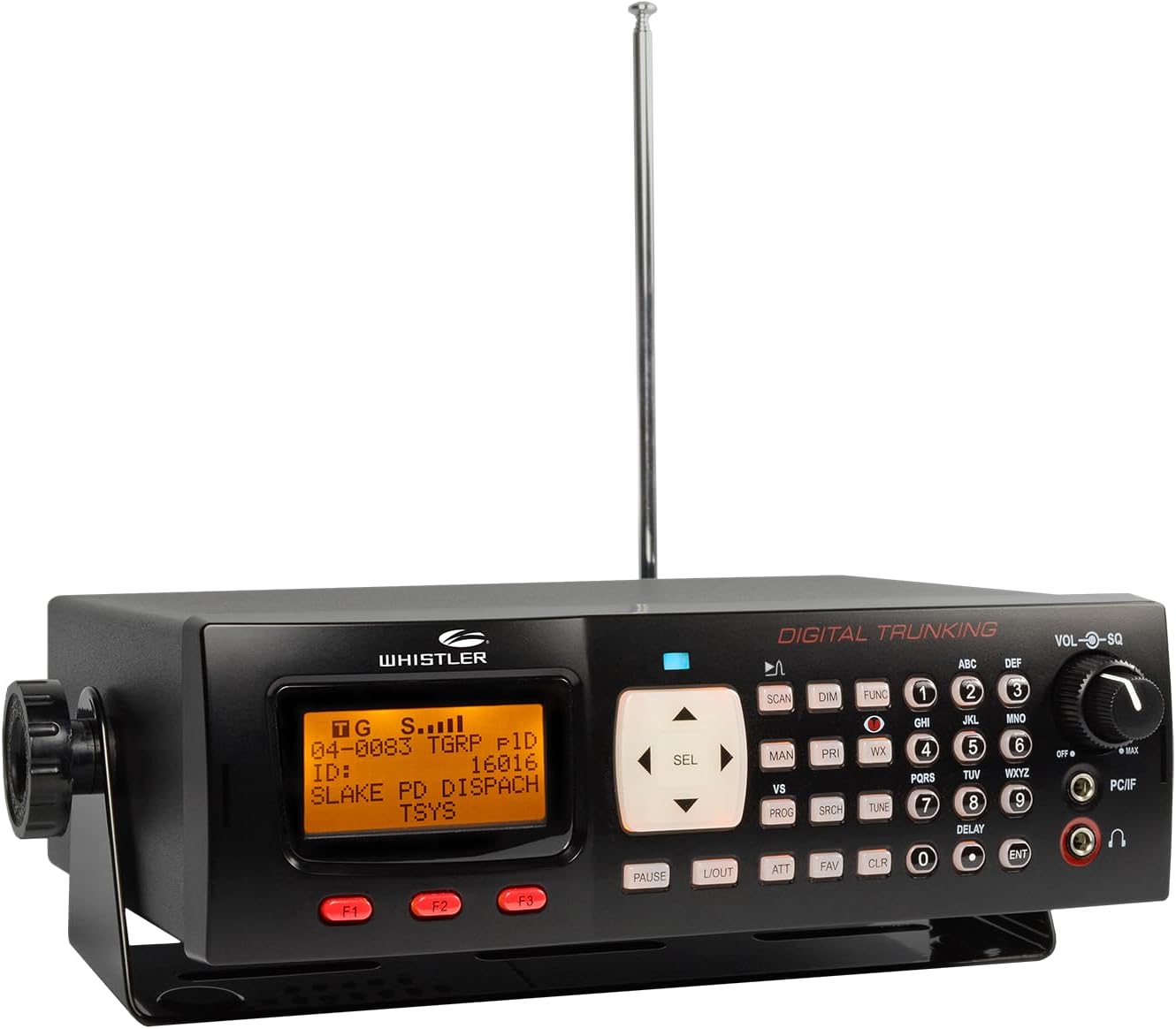
A base or vehicle installation monitoring confirmed supported Phase I systems
No P25 Phase II decoding

Listeners who want a Whistler handheld covering supported P25, DMR and NXDN traffic
System-specific behaviour still needs verificationCHECK THE EVIDENCE
Sources & specifications
- Whistler WS1040: manufacturer specifications ↗Checked 2026-11-06
- WS1040 owner manual ↗Checked 2026-11-06
How we choose and compare scanners. Match the model’s capabilities to your local radio systems before buying.